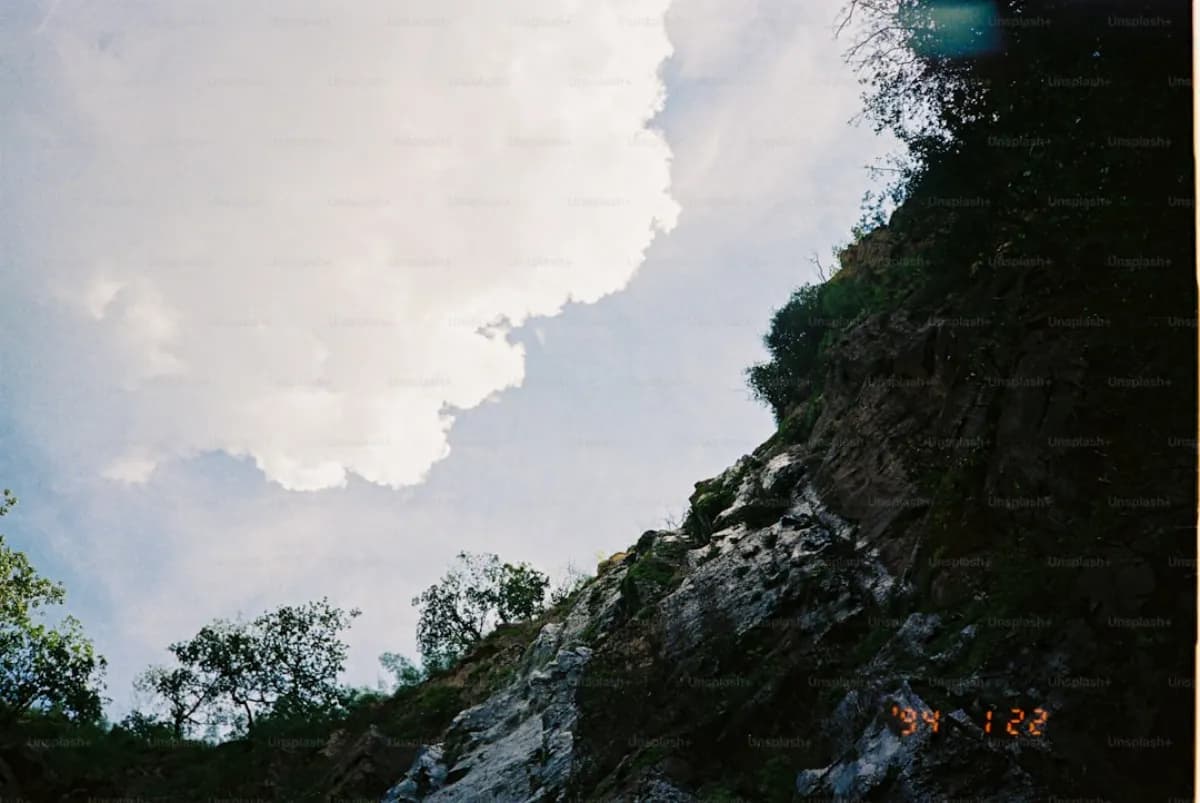
The Dolomites are one of the most iconic photographic subjects on the planet. These towers of pale dolomite rock, with their vertical forms and light that changes every minute, have inspired generations of photographers — from the great landscape masters to today's social media creators. But to truly capture the magic of the Dolomites you need to know where to go, when to go and how to set up your camera.
In this guide we reveal the best photography spots, golden hour times month by month, the secrets of the Enrosadira and practical technical tips to take home unforgettable shots.
Golden Hour: Times Month by Month
The golden hour — that magical period just after sunrise and before sunset — is when the Dolomites are at their very best. The raking light exalts the rock textures, lengthens shadows and creates dramatic contrasts.
| Month | Sunrise | Morning Golden Hour | Sunset | Evening Golden Hour | |-------|---------|---------------------|--------|---------------------| | May | 05:45 | 05:45-06:30 | 20:30 | 19:45-20:30 | | June | 05:20 | 05:20-06:10 | 21:10 | 20:25-21:10 | | July | 05:35 | 05:35-06:20 | 21:05 | 20:20-21:05 | | August | 06:10 | 06:10-06:50 | 20:30 | 19:45-20:30 | | September | 06:50 | 06:50-07:30 | 19:30 | 18:45-19:30 | | October | 07:25 | 07:25-08:05 | 18:15 | 17:30-18:15 |
For the Enrosadira, reach your spot at least 30 minutes before sunset. The best colours arrive in the 15 minutes after official sunset. In autumn, the evening golden hour is particularly intense thanks to the cleaner, drier air.
The Best Photography Spots
1. Passo delle Erbe (Wurzjoch) — 2,003 m
The quintessential spot. The Sass de Putia (Peitlerkofel) stands isolated against the sky, perfect for clean, minimalist compositions. At dawn the sun lights the east face; at sunset the Enrosadira turns everything to gold and pink.
Shot type: Landscape, Enrosadira, astrophotography Recommended lens: Wide-angle 16-35 mm for broad compositions, telephoto 70-200 mm for rock details How to get there: 30 minutes from San Vigilio, parking at the pass
2. Seceda — 2,519 m
The jagged pinnacles of the Odle range seen from Seceda are among the most recognisable images of the Dolomites. The cable car from Ortisei takes you to the top in minutes, making this spot accessible even if you prefer not to hike.
Shot type: Iconic landscape, 360-degree panoramas Recommended lens: Ultra-wide 14-24 mm to capture the scale, 24-70 mm for balanced compositions How to get there: Cable car from Ortisei (Val Gardena), about 1 hour by car from San Vigilio
3. Tre Cime di Lavaredo — From Afar
The Three Peaks are the symbol of the Dolomites. For a different perspective, photograph them from a distance — from the Passo di Monte Croce di Comelico or from Val Fiscalina. From these vantage points the three towers stand against the sky with unique visual power.
Shot type: Telephoto landscape, perspective compression Recommended lens: Telephoto 100-400 mm for compression How to get there: Val Fiscalina is about 1 hour 30 from San Vigilio
4. Lago di Braies — 1,496 m
The emerald lake with rowing boats and the mountain reflected in the water. For crowd-free shots, go at dawn — arrive before 6 AM in summer.
Shot type: Reflections, mood, composition with boats Recommended lens: Wide-angle 16-35 mm, polariser to enhance reflections How to get there: 40 minutes from San Vigilio, paid parking
For more detail, read our complete guide to Lago di Braies.
5. Plan de Corones — 2,275 m
A 360-degree view across the Dolomites, Zillertal Alps and Puster Valley. Perfect for panoramic stitching and time-lapses. The Messner Mountain Museum adds an interesting architectural element.
Shot type: Panoramas, time-lapse, architecture How to get there: Cable car from Brunico or San Vigilio
The Enrosadira: How to Photograph It
The Enrosadira is the phenomenon where the dolomite rock walls turn pink, orange and red at sunset. To photograph it at its best:
- Exposure: Underexpose by 1/3-2/3 stops to saturate the colours
- White balance: Set to "cloudy" or "shade" to emphasise warm tones, or shoot RAW and adjust in post
- Bracketing: Take 3-5 shots at different exposures to handle the high dynamic range
- Composition: Include a dark foreground (trees, rocks) to create depth and contrast with the illuminated walls
The most intense Enrosadira occurs when there are high, thin clouds that act as natural reflectors. Completely clear skies produce less intense colours. The ideal day has a few distant clouds to the west that catch and diffuse the setting sun's light.
Astrophotography: The Milky Way Over the Dolomites
The Dolomites offer relatively dark skies, especially in the nature parks away from towns. The Milky Way is visible from May to September, with the galactic centre best positioned between June and August.
Best locations:
- Passo delle Erbe: Excellent darkness, few artificial lights
- Fanes plateau: Zero light pollution, but requires a hike
- Passo Gardena: Accessible by car, decent darkness
Base settings: ISO 3200-6400, aperture f/2.8 or wider, exposure 15-25 seconds (500 rule divided by focal length)
Action Shots from the Zipline
The Adrenaline Adventures zipline offers a unique aerial viewpoint for photography. Flying at 80 km/h above forests and valleys with the Dolomites behind you is a visual experience no trail can match.
Tips for zipline shots:
- GoPro or action camera: Best choice for stabilisation and wide field of view
- Smartphone: Secure with a sturdy wrist strap, activate video mode and extract the best frames
- Don't bring a DSLR or mirrorless: Too risky in flight, and you won't be able to compose the shot
Our team photographs every participant during the experience — you can purchase professional photos at the end. For examples, check our incredible zipline photos.
Book the Zipline and Take Home Unique ShotsSmartphone vs DSLR/Mirrorless
Smartphone (iPhone, Samsung, Pixel)
Pros: Always with you, advanced AI processing, instant sharing, excellent night mode on recent models Cons: Limited telephoto, less control over exposure and focus, small sensor for low light
Tip: Use Pro/manual mode to control exposure and ISO. Shoot in RAW (available on almost all recent smartphones) for more flexibility in post-processing.
DSLR/Mirrorless
Pros: Full control, interchangeable lenses, full-resolution RAW, low-light performance Cons: Weight, bulk, cost
Tip: Bring a wide-angle and a telephoto. A lightweight carbon fibre tripod is essential for golden hour and astrophotography.
Drone Rules in Italy
Flying drones in Italy is regulated by ENAC. Here are the key rules:
- Mandatory registration on the D-Flight portal for all drones over 250 g
- Third-party insurance required
- Maximum altitude: 120 m above ground level
- Nature parks: Flying prohibited in Nature Parks (Fanes-Senes-Braies, Puez-Odle, etc.)
- Urban areas: Restrictions near towns and villages
- A1/A3 licence required as a minimum, A2 for flying near people
Practical tip: Many of the best photography spots are within or on the borders of nature parks where drones are banned. Always check the flight zone maps on D-Flight before you set out.
Recommended Photography Kit for the Dolomites
Here is what to pack:
- Camera body with good low-light performance
- Wide-angle (14-24 mm) — for landscapes and astrophotography
- Versatile zoom (24-70 mm) — for balanced compositions
- Telephoto (70-200 mm or longer) — for details and compression
- Lightweight tripod — essential for golden hour and night
- Polarising filter — to saturate colours and manage reflections
- Graduated ND filters — to balance sky and foreground
- Spare batteries — cold at altitude drains them fast
- Cleaning cloth — morning dew can fog the lens
Read Also
- Sunset in the Dolomites: Best Spots and Times — Where to watch the Enrosadira and sunset times by month.
- Incredible Zipline Photos — The best action shots from our zipline.
- Best Viewpoints in the Dolomites — The must-see viewpoints for photos and panoramas.