The Dolomites are not just rock and sky — they are a vibrant ecosystem, a world where golden eagles circle above ridgelines, where marmots whistle among the boulders and chamois move with impossible grace along vertical rock faces. For nature lovers and photographers, these mountains are a paradise still largely waiting to be explored.
And there is one absolutely unique way to observe this wildlife: from our zipline, where you fly at the same altitude as the birds of prey and enjoy a perspective that no trail can offer.
The Golden Eagle — Queen of the Dolomites
The golden eagle (Aquila chrysaetos) is the undisputed symbol of the Alps. With a wingspan exceeding 2 metres, this majestic raptor commands the Dolomite skies with soaring flights that can cover territories of over 100 square kilometres.
In the Dolomites, the golden eagle population is stable and slowly growing, thanks to environmental protection policies. The Fanes-Senes-Braies Nature Park, easily accessible from San Vigilio di Marebbe, is one of the finest locations for spotting them.
The best time to observe golden eagles is early morning, when thermal currents begin forming along the rock faces. Bring binoculars with at least 10x magnification and look for the slow, wide circles in the sky above the ridgelines.
When and Where to Spot Them
- Season: year-round, but easiest from April to September
- Time: early morning and late afternoon
- Locations: ridges of the Fanes Park, Plan de Corones area, side valleys above San Vigilio
The Bearded Vulture (Lammergeier) — Return of the Giant
The bearded vulture (Gypaetus barbatus) is one of the most spectacular birds in the Alps — and a conservation success story. Extinct in the Alps by the 19th century due to human persecution, it has been successfully reintroduced since the 1980s. Today approximately 300 individuals fly once again across Alpine skies.
With a wingspan of up to 2.8 metres, the bearded vulture is unmistakable. Its name derives from its unique habit of dropping bones from great heights onto rocks to break them and feed on the marrow — a fascinating behaviour that distinguishes it from all other raptors.
Spotting a bearded vulture in the Dolomites is a rare and unforgettable event. The areas around the Fanes Park and high altitudes above 2,000 metres are the most likely locations.
From the Zipline: Birds of Prey at Eye Level
During your flight on the Adrenaline Adventures zipline, you are at the same altitude where eagles, bearded vultures and buzzards fly. It is not uncommon to spot raptors in flight during the experience — a privilege normally reserved only for other birds. One more reason to keep your eyes wide open during the flight!
Our zipline reaches heights of up to 100 metres above the ground, with routes that cross valleys and ridges at altitudes where raptors hunt and soar. Several customers have reported seeing eagles and buzzards flying alongside them during the course — an experience that no trail, however panoramic, can replicate.
The aerial perspective also allows you to spot ground animals that would be invisible from the trail: chamois on the cliffs, deer in clearings, marmots among the boulders.
Fly with the Raptors — Book the ZiplineMarmots — The Alpine Sentinels
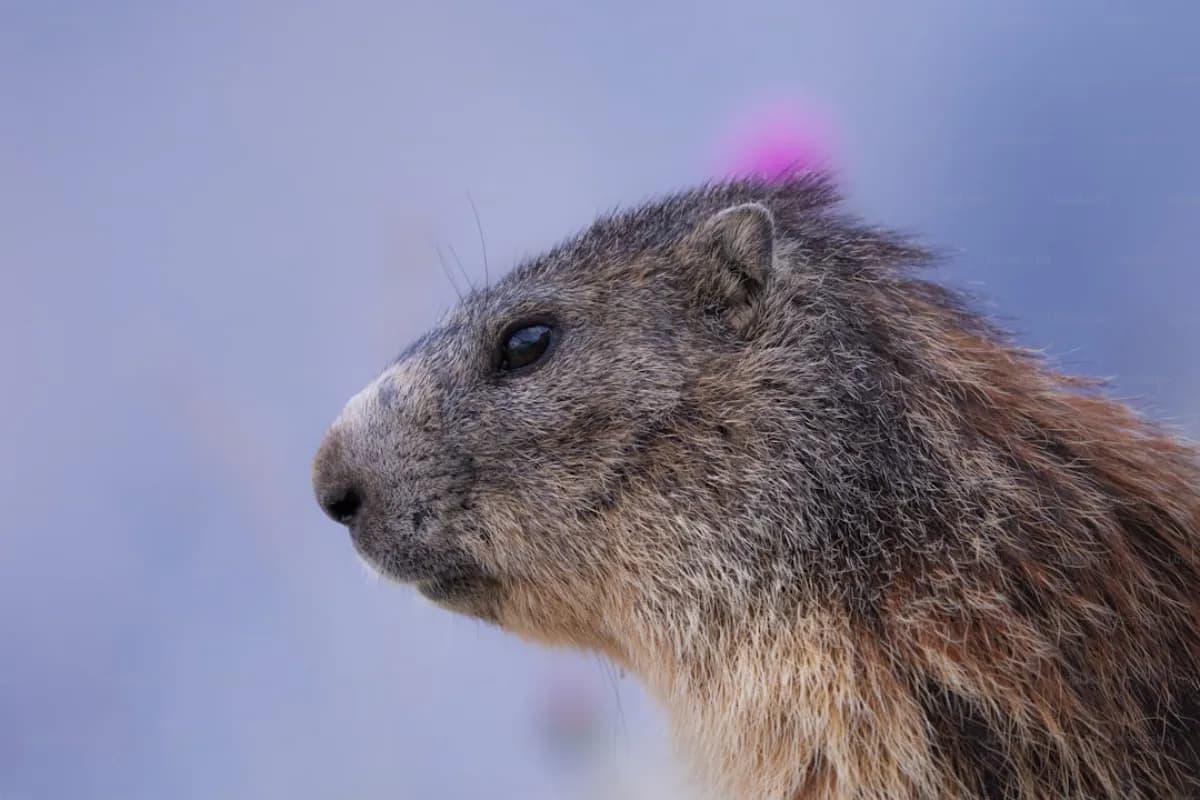
Marmots (Marmota marmota) are perhaps the most beloved alpine animals, especially among children. These sturdy rodents live in colonies between 1,800 and 2,500 metres altitude, digging complex burrow systems where they spend the long winter hibernation (October to March).
Their piercing whistle is unmistakable — it is the colony's alarm system. When one marmot whistles, all others stand on their hind legs to scan for danger, creating an irresistible scene for photographers.
Where to Observe Them
- Fanes Alpine meadows: one of the most numerous and accessible colonies
- Trail to Sennes Refuge: easy to spot along the route
- Piz de Plaies meadows: easily reachable via gentle hikes
Alpine Chamois — The Cliff Acrobat
The chamois (Rupicapra rupicapra) is the quintessential acrobat of the Dolomites. With specialised hooves that grip rock like suction cups, it moves with confidence on cliff faces that would make any mountaineer tremble.
In summer, chamois are found in high zones above the tree line, grazing on steep meadows. In winter they descend to lower altitudes, often visible even from roads. The population in the Dolomites is healthy and numerous — a sign of an ecosystem in balance.
Red Deer and Roe Deer — The Elegant Forest Dwellers
Red deer (Cervus elaphus) and roe deer (Capreolus capreolus) inhabit the forests of the Dolomite valleys. The red deer is the largest land mammal in the Italian Alps, with adult males exceeding 200 kg.
The most evocative period is the rut (September-October), when males emit their guttural call that echoes through the valleys. At dusk, in the meadows at the edge of the forests around San Vigilio, it is common to spot deer grazing.
Alpine Ibex — King of the Peaks
The alpine ibex (Capra ibex) is the emblematic animal of the high mountains. Males, with their curved horns that can reach one metre in length, are an imposing sight against the Dolomite sky. Like the bearded vulture, the ibex is a conservation story: nearly extinct in the 19th century, it now numbers thousands across the Alps.
Ibex prefer the highest altitudes (above 2,500 metres) and vertical rock faces, where they are safe from predators. The via ferrata routes in the area are a good way to approach their habitats.
Wildlife Photography Tips
For those wanting to capture the Dolomites' fauna:
- Lens: a telephoto of at least 200mm is essential, ideally 400mm+
- Time: sunrise and sunset offer the best light, and animals are most active
- Patience: find an observation point, sit down and wait in silence
- Respect: do not approach too closely and do not disturb animals, especially during breeding season
- Season: June-September for most species; September-October for the deer rut
Seasonal Wildlife Calendar
| Season | Animals to Observe | Behaviour | |---|---|---| | Spring | Marmots, deer, roe deer | Awakening from hibernation, newborns | | Summer | Eagles, bearded vultures, chamois, ibex | Peak activity at altitude | | Autumn | Deer, eagles, chamois | Rut, migration to lower altitudes | | Winter | Deer, roe deer, eagles | Animals more visible at lower altitudes |
For more on the best seasons to visit the Dolomites, consult our guide on the best time to visit the Dolomites.
Plan Your Nature VisitRead Also
- Fanes-Senes-Braies Nature Park: Hiking Guide — Trails and refuges in the heart of Dolomite nature.
- Best Viewpoints in the Dolomites — Where to admire the most spectacular views.
- Summer in the Dolomites: Adventure Guide — All summer activities in the San Vigilio area.