When you walk through the streets of San Vigilio di Marebbe, you might hear a language that is not Italian, not German and not any dialect you recognise. It is Ladin — one of the oldest languages in Europe, spoken by around 30,000 people who have lived in the Dolomite valleys for over two thousand years. Welcome to the world of the Ladins, a people who have preserved their identity among the most spectacular mountains of the Alps.
Who Are the Ladins
The Ladins are an ethno-linguistic group of Rhaetic and Roman origin who inhabit the central valleys of the Dolomites. Their communities span five main valleys: Val Badia, Val Gardena, Val di Fassa, Livinallongo and Ampezzo (Cortina). In San Vigilio di Marebbe, at the heart of Val Badia, Ladin is not a museum relic — it is the language of everyday life.
At the cafe, at the bakery, among parents at the playground: Ladin is spoken, written and taught in schools. Children grow up trilingual — Ladin, Italian and German — and often add English as a fourth language. A linguistic richness that has few parallels in Europe.
A Romance Language Among the Mountains
Ladin descends from the Vulgar Latin spoken by Roman soldiers and settlers who crossed these valleys two thousand years ago. Isolated by the mountains, the Ladins preserved linguistic forms that elsewhere disappeared centuries ago. Words and grammatical structures that echo Old French, Catalan and Swiss Romansh — sister languages born from the same root.
Ladin is recognised as an official language in the Autonomous Province of Bolzano and the Province of Trento. In schools, teaching takes place in three languages: Ladin, Italian and German. Road signs, official documents and tourist signage all appear in all three languages — a unique example of institutional trilingualism in Europe.
Museum Ladin Ciastel de Tor
To truly understand the Ladins, the ideal starting point is the Museum Ladin Ciastel de Tor in San Martino in Badia, just a few kilometres from San Vigilio. Housed in a 13th-century medieval castle, the museum tells the story of the language, history and traditions of the Ladin people through modern, interactive exhibits.
What to See
- The language hall: interactive installations where you can hear Ladin spoken in different valleys and discover how it varies from village to village
- The archaeology section: finds from the Bronze Age bearing witness to an ancient human presence in these valleys
- The geology hall: how the Dolomites were formed and why their pink hue at sunset makes them unique in the world
- Farming traditions: reconstructions of traditional farmsteads, agricultural tools and the art of woodworking
- The Ladin Carnival section: traditional masks and costumes from the ancient Carnival, a celebration with pre-Christian roots
The museum also runs workshops for children and temporary exhibitions. After the visit, a stroll through San Martino in Badia with a stop for a plate of Ladin cuisine completes the experience.
The Legends of the Kingdom of Fanes
You cannot know the Ladins without immersing yourself in their legends. And the greatest of all is the legend of the Kingdom of Fanes — an epic cycle that scholars have called "the Iliad of the Dolomites".
The Story
In a mythic age, before the mountains took their present form, there existed the Kingdom of Fanes — a peaceful people who lived on the Dolomite plateaux in harmony with nature. The king of Fanes had a daughter, Dolasilla, an invincible warrior whose power came from magic arrows given to her by the marmots, the sacred animals of the kingdom.
But greed and betrayal destroyed the kingdom. The king, tempted by promises of riches, broke the pact with the marmots. Dolasilla lost her powers and the kingdom fell. According to legend, the Ladins descend from the survivors of the Kingdom of Fanes, and their bond with the mountains is the memory of that ancient pact.
Where the Legend Lives
The Fanes plateau, reachable by hiking from San Vigilio, is the place where the legend takes shape. Walking among the Dolomite rocks, alpine lakes and marmots whistling as you pass, it is easy to understand how this land inspired epic tales. To explore the area, see our guide to San Vigilio di Marebbe.
Ask the guide at Museum Ladin to tell you the full legend of Dolasilla before you hike to Fanes. Walking across that plateau knowing the story transforms a beautiful hike into a magical experience.
Ladin Cuisine: Mountain Flavours
Ladin cuisine is survival cooking transformed into art. Born from the need to feed a family through endless winters with simple ingredients — bread, eggs, cheese, potatoes — it has become a gastronomic tradition that today draws food lovers from across Europe.
Must-Try Dishes
- Canederli (Knodel): large bread dumplings with speck, served in broth or with melted butter
- Turtres: fried half-moon pastries filled with spinach, sauerkraut or potatoes — the quintessential Ladin street food
- Cajinci: sweet ravioli filled with poppy seeds, ricotta and jam, served with melted butter
- Crafuncins: savoury ravioli with spinach and ricotta filling, similar to Schlutzkrapfen but with the Val Badia recipe
- Apple strudel: with local Renette apples, cinnamon, raisins and pine nuts
For a complete guide to local gastronomy, read our dedicated article on alpine cuisine in the Dolomites.
The Landscape as Identity
For the Ladins, the mountains are not a backdrop — they are part of their identity. Every peak, every pass, every stream has a Ladin name that tells a story. Sass dla Crusc (Sasso della Croce) is not just a mountain: it is the place where legend locates foundational events of the Ladin people.
This deep relationship with the landscape is why the Ladins have always preserved their territory with particular care. Val Badia and the Fanes-Senes-Braies Nature Park are among the best-conserved natural environments in all the Alps — and that is no coincidence.
The Zipline in the Ladin Landscape
When you fly on our zipline, you are crossing a landscape that has been part of Ladin life for millennia. The forests below, the peaks on the horizon, the meadows where cattle graze — all of this is Ladin territory, seen from a perspective that not even Dolasilla could have imagined. Discover the experience in our guide to the best adventures in the Dolomites.
Living Traditions
The Ladins are not a people of the past. Their traditions are very much alive and renewed each year:
- Ladin Carnival: ancestral masks parade through villages in rituals that blend sacred and profane, winter and spring
- Feast of San Vigilio: the village patron saint celebration, with procession, music and traditional dishes
- Farmstead festivals: in summer, farming families open their farmsteads for evenings of music, food and storytelling in Ladin
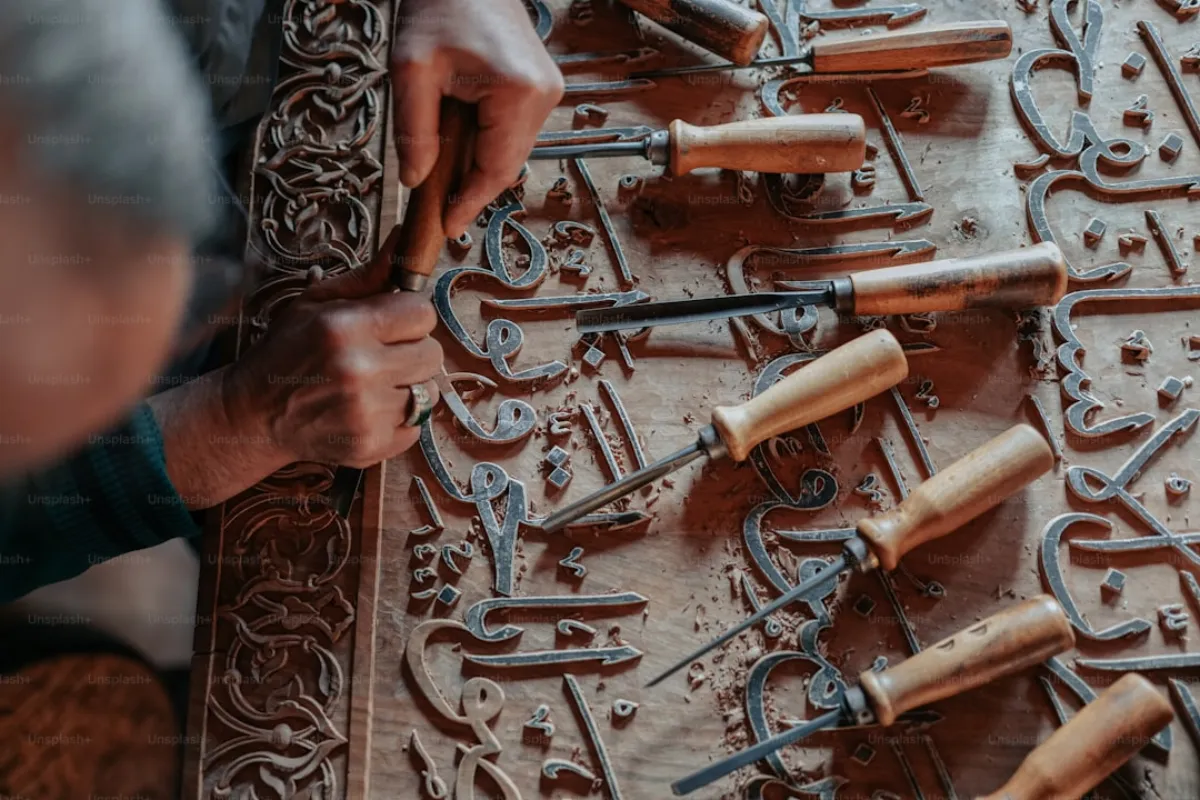
- Wood craftsmanship: wood carving is an art passed down through generations, visible in workshops throughout the village
Experiencing Ladin Culture Today
The most beautiful thing about Ladin culture is that you do not need to visit a museum to experience it — although Museum Ladin absolutely deserves a visit. Just walk through San Vigilio, step into a shop, talk to the locals. The Ladins are a welcoming people who love sharing their culture with anyone who shows genuine interest.
Order a coffee at the village bar and ask how to say "good morning" in Ladin (it is "bun di"). Buy bread from the baker and ask for the turtres recipe. Stop to chat with an elderly local in the park — you will discover stories that no guidebook tells.
Discover Our Adventures in Ladin LandsA People, a Landscape, an Experience
Getting to know the Ladins enriches any visit to the Dolomites. You are no longer a tourist looking at beautiful mountains — you are a guest in a land with two thousand years of history, language and tradition. And when you fly on the zipline above the forests of Val Badia, you carry with you a new awareness: beneath you is not just nature. It is a living, ancient and resilient culture that has made these mountains its home.
Come and discover it. The Ladins are waiting for you.
Contact Us to Plan Your VisitRead Also
- Alpine Cuisine: Where and What to Eat in the Dolomites — Complete guide to the flavours of the Dolomites.
- Complete Guide to San Vigilio di Marebbe — Everything to plan your visit to the heart of Val Badia.
- Best Viewpoints in the Dolomites — Where to admire the Ladin peaks from breathtaking perspectives.