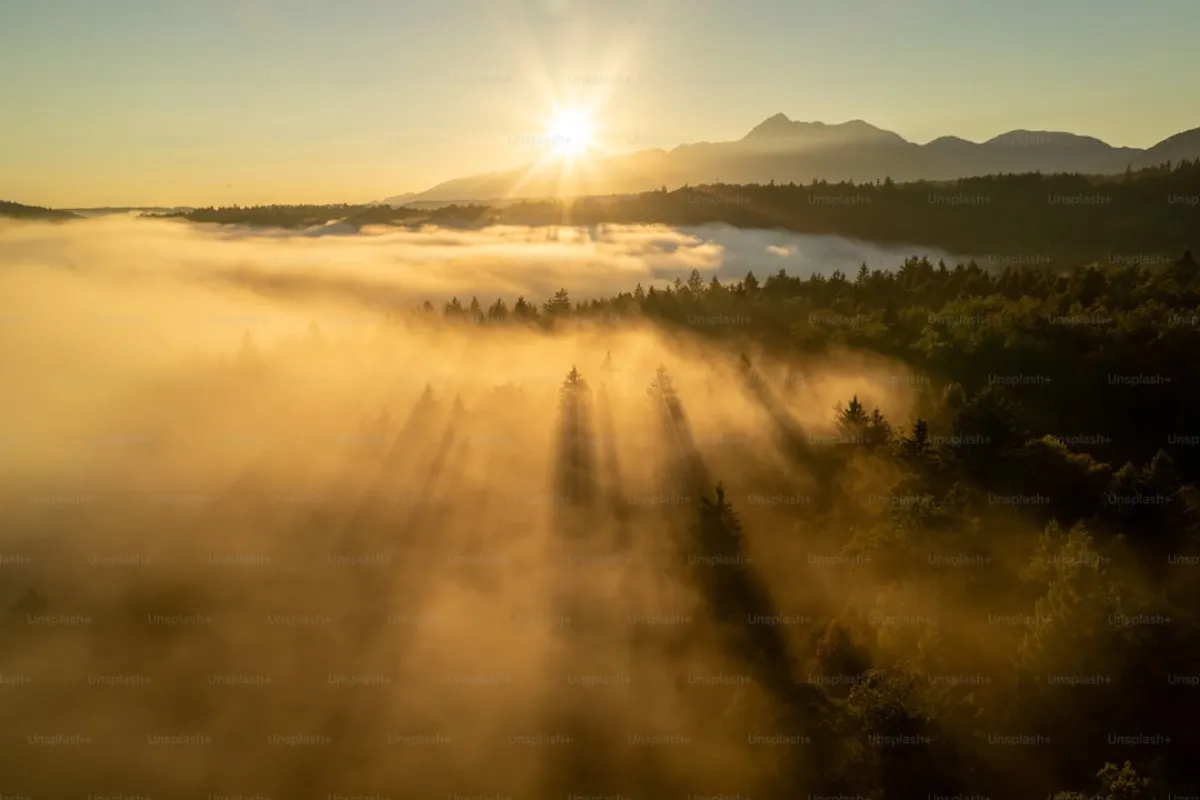
There is a moment in the Dolomites when the world stops. The sky shifts from black to deep blue, then to orange, and finally the first sunlight strikes the Dolomite walls, transforming them into torches of pink and gold fire. It is the enrosadira — the phenomenon that makes the Dolomites blush — and seeing it at dawn is an experience that steals your breath and your words.
Rising before dawn demands sacrifice: the alarm sounds in darkness, the cold bites, the trail is a challenge. But when you reach the viewpoint and the mountain ignites before your eyes, you understand that every single step was worth it.
Best Spots for Sunrise
Passo delle Erbe (Wuerzjoch)
Passo delle Erbe is perhaps the most accessible spot for a spectacular sunrise near San Vigilio. At around 2,000 metres, it offers a frontal view of the north face of Sass de Putia (Peitlerkofel), one of the most iconic silhouettes in the Dolomites. When the sun rises from the east, the wall illuminates gradually from top to bottom, creating a theatrical effect lasting about 15 minutes.
The advantage of Passo delle Erbe is that you reach it by car (30 minutes from San Vigilio) and the viewpoint is just steps from the car park. No long walk in the dark required.
Plan de Corones Summit (Kronplatz)
The summit of Plan de Corones at 2,275 metres offers a 360-degree panorama spanning from the Sesto Dolomites to the Sella group, from the Ortles to the Tauern. At sunrise, the peaks light up one after another like candles on a cake, creating a spectacle that renews itself every minute.
Seceda
Seceda, above Santa Cristina in Val Gardena, is one of the most photographed spots in the Dolomites. The spires of the Odle group stand against the dawn sky like dragon's teeth. The golden light striking them creates dramatic contrast with the shadows of the valley below.
Croda Rossa (Hohe Gaisl)
For those seeking a more intimate, less crowded sunrise, viewpoints overlooking Croda Rossa are perfect. From Val di Braies or the Prato Piazza plateau, the first light strikes the Croda Rossa wall creating shades ranging from pale pink to fiery red. This is where the enrosadira reaches its peak intensity.
The enrosadira is the optical phenomenon that makes the Dolomites blush at sunrise and sunset. It is caused by the composition of Dolomite rock (dolomia), rich in calcium and magnesium carbonate, which reflects sunlight at low angles in shades of pink, orange and red. The name comes from Ladin and literally means "to become pink".
Monthly Sunrise Times
Knowing the sunrise time is essential for planning. Approximate times for the San Vigilio area:
- January: 7:50 - 8:00
- February: 7:20 - 7:30
- March: 6:30 - 6:45
- April: 6:00 - 6:15 (daylight saving)
- May: 5:30 - 5:45
- June: 5:15 - 5:25
- July: 5:25 - 5:40
- August: 5:50 - 6:10
- September: 6:20 - 6:40
- October: 6:50 - 7:10
- November: 7:15 - 7:30
- December: 7:40 - 7:50
Arrive at the viewpoint at least 30-40 minutes before sunrise: the pre-dawn light is often more beautiful than the sunrise itself.
Getting There in the Dark
Moving through mountains before dawn requires preparation:
- Head torch: essential, with fully charged batteries (bring spares)
- Study the route by day: do a reconnaissance walk in daylight before attempting it in the dark
- GPS or navigation app: download offline maps of the trail
- Do not go alone: the mountain in darkness requires company for safety
- Communicate your itinerary: tell someone where you are going and when you expect to return
For winter sunrises, arrive at the viewpoint at least 45 minutes early and bring a thermos with hot tea or coffee. Temperatures can drop below -15°C and the wait in the cold is long. An insulating mat to sit on makes the difference between a magical experience and misery.
What to Bring
Clothing
Sunrise in the mountains is cold, even in summer. Dress in layers: thermal base layer in merino, fleece or softshell, windproof and waterproof jacket, gloves and hat (even in summer above 2,000 m), hiking boots with good grip.
Equipment
- Head torch with charged batteries
- Thermos with hot drink
- Energy snacks
- Tripod for camera (for perfect shots)
- Emergency thermal blanket
Photography Settings for Sunrise
With Camera
- Mode: Manual (M)
- ISO: 100-400 (keep low to reduce noise)
- Aperture: f/8-f/11 for maximum landscape sharpness
- Shutter speed: variable, use tripod for long exposures
- White balance: Daylight or Cloudy to emphasise warm tones
- Format: RAW for maximum post-processing flexibility
With Smartphone
- Disable flash
- Use HDR mode
- Tap the brightest point in the sky to expose correctly
- Avoid digital zoom
- Shoot landscape for panoramas, portrait for spires
For more tips on photography in the Dolomites, see our dedicated guide.
The Magic of First Light on Rock
There is a reason the Dolomites are a UNESCO World Heritage Site: their beauty is unmatched. And at dawn, when the light is raking and the colours are pure, that beauty reaches its apex. Flying on the Dolomites zipline gives you a unique perspective on these mountains — but watching them ignite at sunrise connects you with something even deeper.
Discover Our Adventures Contact Us for InformationRead Also
- Sunset in the Dolomites: Best Spots — The other magical moment of the day.
- Photography in the Dolomites: Best Spots — Where to take the most stunning photos.
- Best Viewpoints in the Dolomites — The views that take your breath away.