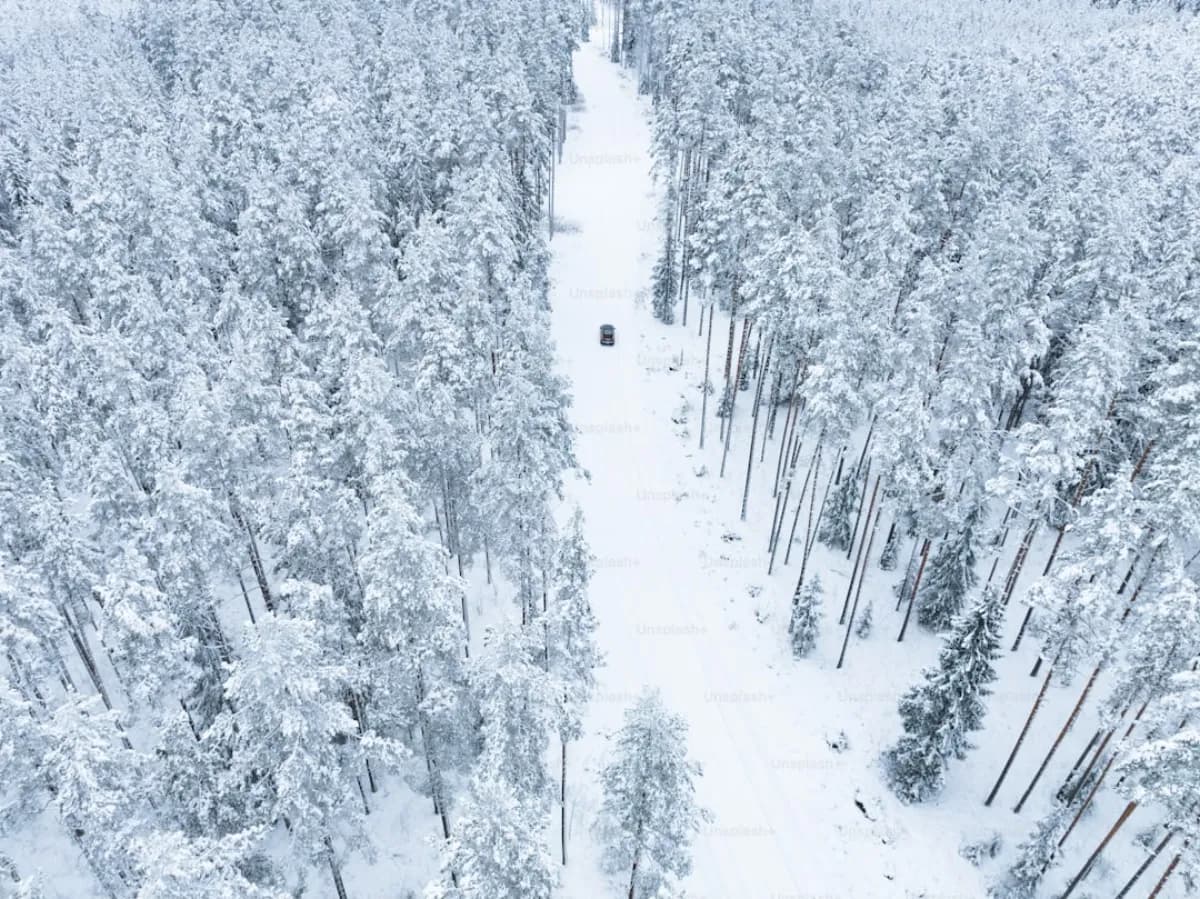
When people think of skiing in the Dolomites, downhill runs at Plan de Corones or the Marmolada come to mind first. But there is another way to experience the snow, one that is quieter, more intimate, more connected with the landscape: cross-country skiing. Gliding along groomed trails through snow-covered forests with Dolomite peaks as your backdrop is an experience that changes the way you perceive winter in the mountains.
The area around San Vigilio di Marebbe offers some of the finest cross-country trails in the entire Alpine arc. From the scenic loipes of Val di Braies to the biathlon arena at Anterselva, and the circuits around the Plan de Corones plateau, you will find trails for every level set against breathtaking scenery.
Best Cross-Country Trails Near San Vigilio
Val di Braies: Skiing Among Sacred Mountains
Val di Braies hosts one of the most stunning cross-country trails in the Dolomites. The route follows the valley floor for approximately 12 km, starting from the village of Braies Vecchia and gently climbing toward the famous Lake Braies. The trail is groomed for both classic and skating technique, with a modest elevation gain that makes it accessible to beginners.
The landscape is extraordinary: the walls of Croda del Becco rise above you as you glide through the silent valley. In winter, when the lake is frozen and snow blankets everything, it feels like moving through a painting.
Anterselva: Where Champions Train
Anterselva is synonymous with biathlon at world level. The arena that hosts the World Cup is just 40 minutes from San Vigilio, and the surrounding cross-country trails are maintained to Olympic standards. The centre offers over 30 km of groomed trails with circuits of varying difficulty.
The trail around Lake Anterselva is a classic: 8 km of flat terrain with views of the dark lake water and surrounding mountains. For more ambitious skiers, the circuits in the upper valley offer challenging climbs and technical descents.
The Anterselva biathlon arena hosts a World Cup round every year, usually in January. Attending the races is free and makes for a thrilling experience even for those who do not follow the sport. Grandstand tickets can be reserved on the official website.
Plan de Corones: Nordic Skiing at Altitude
The Plan de Corones area is not just about downhill. The plateau at the base of the mountain, between San Vigilio, Bruneck and Valdaora, offers a network of cross-country trails connecting villages through meadows and forests. The main circuit measures approximately 15 km and crosses varied terrain, from open fields with panoramic views to sheltered woodland sections.
The relatively low altitude (800-1000 m) ensures milder temperatures compared to higher valleys, making these trails ideal for early-season outings or for those who prefer comfortable conditions.
Classic vs Skating Technique
Cross-country skiing is practised in two fundamentally different techniques, and the choice affects everything: equipment, trails, effort, sensations.
Classic Technique (Diagonal Stride)
This is the traditional technique, the one you probably picture when you think of cross-country skiing. You glide in two parallel tracks groomed into the snow, alternating legs in a natural movement similar to walking. The advantages:
- More intuitive for beginners
- Less tiring at low intensity
- Greater stability thanks to the tracks
- Longer skis with a grip zone underfoot
Skating Technique
Skating resembles ice skating: you push laterally with your skis on a smooth, groomed surface without tracks. It is the technique used in biathlon competitions. Characteristics:
- Faster and more dynamic
- More physically demanding
- Requires balance and coordination
- Shorter skis, no grip zone
If you are a beginner, start with the classic technique. Book a 2-hour lesson with a local instructor: learning the basics properly from the start prevents bad habits and makes the experience far more enjoyable. Ski schools in San Vigilio and Bruneck offer private lessons from approximately 50 euros per hour.
Equipment Rental
There is no need to invest in your own gear to try cross-country skiing. Local sports shops offer complete kits:
- Skis + bindings + poles: from 15-25 euros per day
- Cross-country boots: from 8-12 euros per day
- Complete kit (skis, poles, boots): from 20-35 euros per day
Always specify whether you want classic or skating equipment: they are completely different and not interchangeable. Sports shops in Bruneck and San Vigilio have the best selections.
Lessons and Ski Schools
Local ski schools offer specific cross-country courses:
- Private lesson (1-2 people): ideal for learning quickly, the instructor adapts to your level
- Group course (4-8 people): more affordable, social atmosphere, typically half a day
- Biathlon experience: some schools offer sessions combining cross-country skiing with air rifle shooting — great fun for groups
Combining Cross-Country with Other Winter Adventures
Cross-country skiing is the perfect activity to weave into a winter holiday in the Dolomites. Here are some winning combinations:
Morning skiing, afternoon relaxation: after a session on the trails, treat yourself to an afternoon at the spa or visit the Christmas markets in Bruneck.
Cross-country and snowshoeing: alternate a day on narrow skis with a snowshoe hike through the forests. Two different ways to experience the snow, both wonderful.
Cross-country and zipline: if the season allows, add an adrenaline rush to your holiday with a flight on the Dolomites zipline. From the silence of the trail to a shout of joy in flight — contrast guaranteed.
Discover Our PricesWhen to Go Cross-Country Skiing
The cross-country season generally runs from early December to late March, with the best conditions in January and February. Trails are groomed daily when snow permits, and their status can be checked online or at local tourist offices.
For those seeking peace and quiet, the best periods are the first two weeks of January (after Epiphany) and March. Trails are less crowded, days grow longer, and snow is often in perfect condition.
Contact Us for InformationRead Also
- Snowshoeing in the Dolomites: Beginner Guide — Another wonderful way to experience the snow.
- Best Season to Visit the Dolomites — Find the perfect time for every activity.
- Plan de Corones: Complete Guide — Everything about the area's iconic mountain.