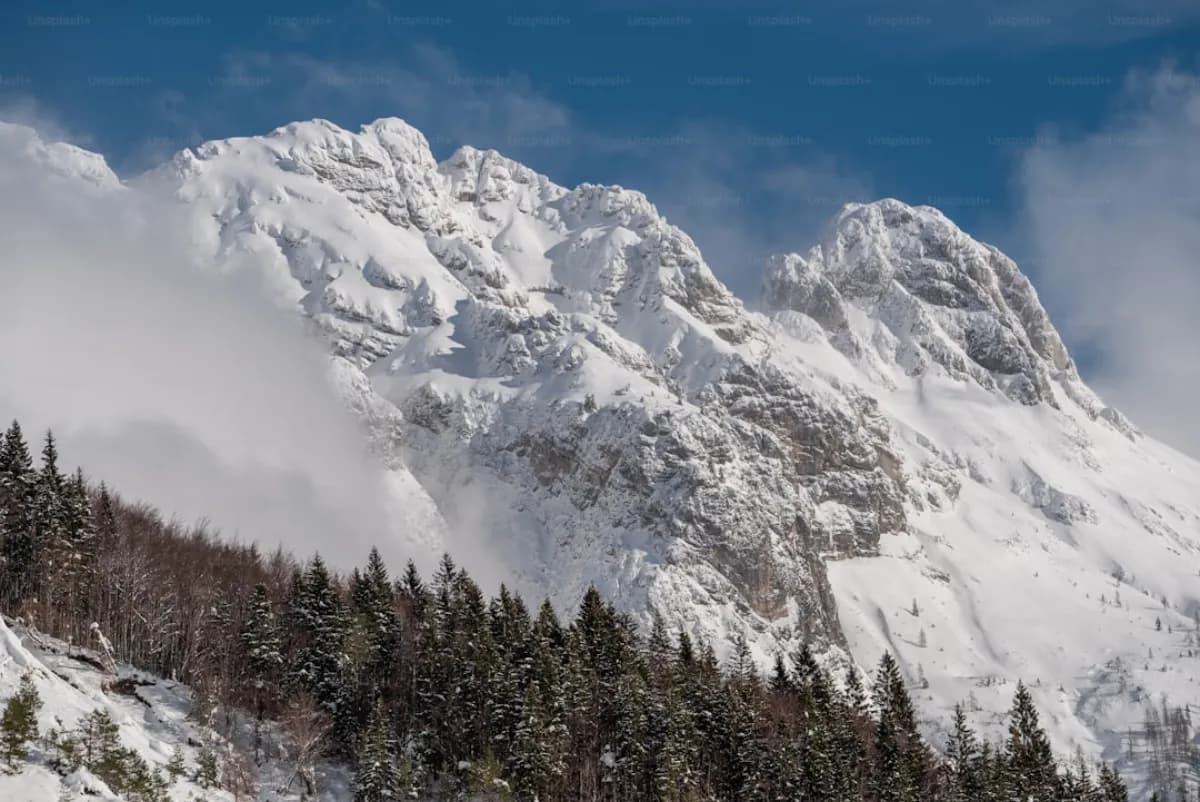
There is something magical about walking on fresh snow in the Dolomites when the world around you is wrapped in silence. Snowshoeing is the most accessible way to experience winter in the mountains: you do not need years of experience, you do not need to be an athlete, all you need is a pair of snowshoes, warm clothing and a willingness to be surprised.
If you have never tried snowshoeing, San Vigilio di Marebbe is the ideal starting point. This guide walks you through everything from equipment rental to the best trails for beginners.
What Is Snowshoeing and Why Try It
Snowshoes are wide, flat frames that attach to your hiking boots and allow you to walk on snow without sinking. The concept is ancient: Alpine peoples used them centuries ago to move through deep snow in winter.
Today snowshoeing is a beloved recreational activity because:
- No experience required: if you can walk, you can snowshoe
- Suitable for all ages: from children to those over 70
- Unique connection with nature: the silence of the snow, animal tracks, crystal-clear air
- Low physical impact: you walk at your natural pace, no extreme exertion
The snowshoeing season in the Dolomites runs from December to March, with the best conditions between January and February when snow is abundant and compact. Temperatures can drop to -15°C, but with the right clothing you will be perfectly comfortable.
Easy Trails Near San Vigilio
Prato Piazza (Plaetzwiese)
Prato Piazza is arguably the most spectacular winter trail in the entire area. In summer it is a green, panoramic plateau; in winter it transforms into a white expanse surrounded by Dolomite walls. The loop trail is flat, approximately 5 km long, with minimal elevation gain. Perfect for your very first snowshoe outing.
The views of Croda Rossa and Picco di Vallandro are breathtaking. Bring your camera: this is one of the most photographed winter landscapes in the Dolomites.
Fanes Plateau
The Fanes plateau offers a more immersive experience. The trail starts from San Vigilio and ventures into the Fanes-Senes-Braies Nature Park, passing through snow-covered forests and silent clearings. The snowshoe hike to Rifugio Fanes is approximately 8 km return with a moderate elevation gain of 300 metres.
At the refuge you can warm up with barley soup and canederli — the perfect lunch after a morning on the snow. If you are interested in traditional Alpine cuisine, this is the place.
Val di Tamores Trail
A short and gentle trail, ideal for families with children. The walk follows the valley floor for approximately 3 km, almost entirely flat. The forest provides shelter from the wind and the chances of spotting tracks from deer, roe deer and hares are very high.
Equipment Rental
You do not need to buy anything. In San Vigilio and the surrounding area you will find several rental shops offering:
- Snowshoes: from €8-12 per day
- Snow poles: from €3-5 per day
- Waterproof boots (if you do not have your own): from €10-15 per day
Book your rental at least one day in advance during peak periods (Christmas, New Year, school holidays). The best equipment runs out quickly. Ask for snowshoes with integrated crampons: they provide better grip on icy sections.
Sports shops in Brunico and San Vigilio offer complete packages. Some hotels in the area include snowshoe rental in the room rate — ask when booking.
What to Wear
Layering is the golden rule:
Base Layer
Breathable thermal underwear in merino wool or synthetic material. Never cotton: it absorbs sweat and makes you freeze.
Mid Layer
Lightweight fleece or softshell. It should retain warmth while allowing breathability during the walk.
Outer Layer
Waterproof, windproof jacket. You do not need a heavy ski jacket: you generate heat while walking. A lightweight shell and a packable down jacket in your backpack is the better approach.
Essential Accessories
- Gaiters: prevent snow from entering your boots
- Warm gloves: two pairs is ideal (one lightweight for walking, one heavy for stops)
- Hat and neck gaiter: heat loss from the head is significant
- Sunglasses: snow glare can cause temporary snow blindness
- SPF 50 sunscreen: the winter mountain sun is intense
Guided Snowshoe Hikes
For beginners, a guided snowshoe hike is the best choice. Local mountain guides know the trails, snow conditions and can read the weather. An experienced guide:
- Selects the trail based on the day's conditions
- Ensures the group's safety
- Shares the history and geology of the Dolomites
- Points out wildlife tracks in the snow
- Manages any emergencies
Guided excursions typically depart early morning (9:00) and last 3-4 hours, including a stop at a mountain hut.
Night Snowshoeing with Headlamp
This is the experience you will remember forever. Night snowshoe hikes take place under moonlight or with headlamps, along safe and marked trails. The silence is total, broken only by the sound of snowshoes on snow.
Imagine walking through a snow-covered forest with the starry sky above you and the silhouettes of the Dolomites lit by moonlight. At the end, many night excursions include a candlelit dinner at a mountain hut — a romantic experience perfect for couples seeking adventure.
Night snowshoe hikes are generally organised on weekends from January to March, departing at 18:00 or 19:00.
Snowshoes and Zipline: The Complete Winter Adventure
If you visit San Vigilio during the winter season and the zipline is operating, you can combine a morning snowshoe hike with an afternoon flight. The adrenaline of the Dolomites zipline after the calm of snowshoeing creates a thrilling contrast — a day that blends contemplation with a pure rush of adrenaline.
See Prices and BookSafety on Snow
The mountain in winter demands respect. Some fundamental rules:
- Always check the avalanche bulletin before heading out (available online and at tourist offices)
- Do not venture off marked trails without a guide and proper equipment
- Carry in your backpack: water, energy snacks, emergency blanket, charged phone
- Tell someone your route before you leave
- Respect daylight hours: darkness comes early in winter, plan to return by 16:00
For more on mountain safety, our safety guide contains principles applicable to winter activities as well.
When to Visit
The ideal period for snowshoeing:
- December: first snowfalls, Christmas atmosphere, markets in Brunico
- January: abundant snow, fewer tourists, lower prices
- February: perfect conditions, days getting longer
- March: last snowfalls, milder temperatures, long days
To plan your stay, see our guide on where to stay in San Vigilio and our weekend in the Dolomites itinerary.
Contact Us for InformationAlso Read
- Rainy Day Activities in the Dolomites — Alternative activities for grey days.
- Complete Guide to San Vigilio di Marebbe — Everything you need to know about the heart of the Dolomites.
- Best Season to Visit the Dolomites — Find the perfect time for every activity.