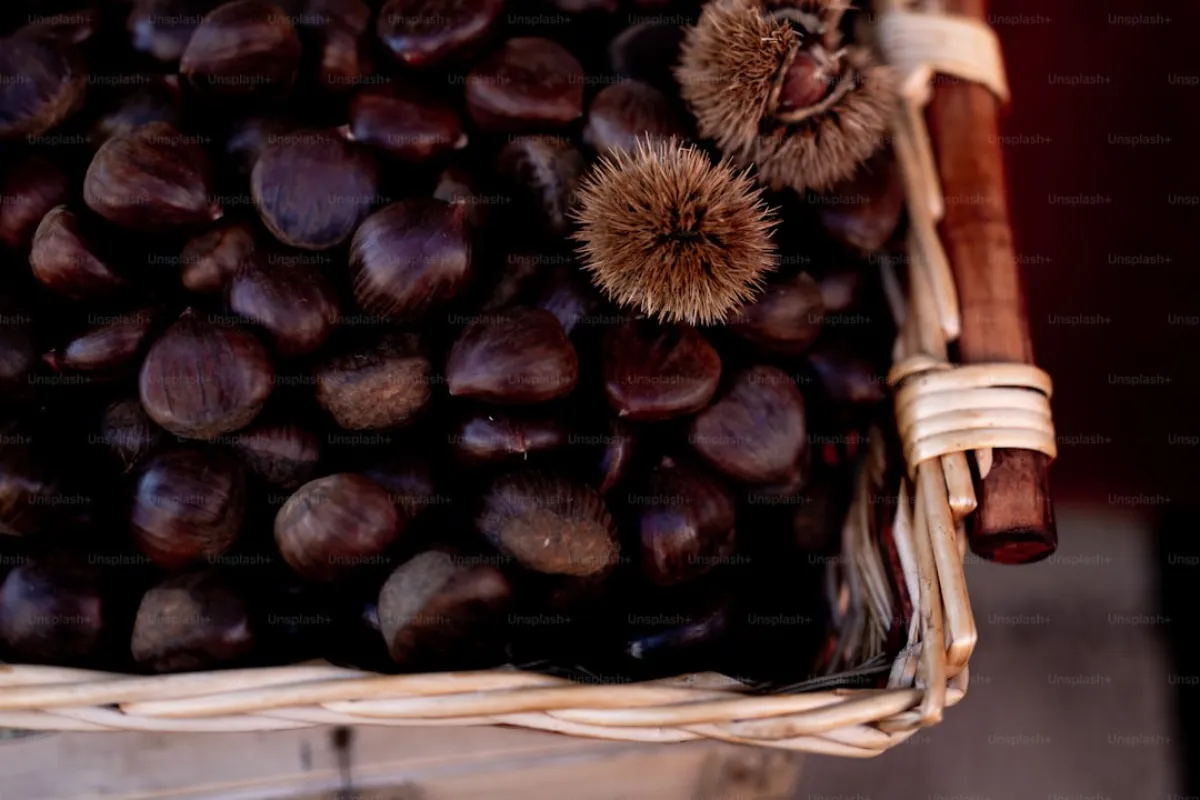
When the first leaves begin to turn gold and the larches take on their unmistakable amber colour, one of the most eagerly awaited seasons in South Tyrol begins: Torggelen season. This ancient tradition transforms the hills and valleys of Sudtirol into an open-air gastronomic trail, where you walk from farmstead to farmstead tasting new wine and freshly roasted chestnuts. If you are planning a trip to the Dolomites between October and November, Torggelen is an experience you simply cannot miss.
What Is Torggelen?
The word "Torggelen" comes from "Torggl", the South Tyrolean dialect name for the wooden press used to crush grapes. This tradition has deep roots in the farming culture of South Tyrol: after the grape harvest, farmers would open their farmstead doors to offer guests the new wine — called Nuier or Suser — accompanied by roasted chestnuts and classic South Tyrolean dishes.
It is not simply about eating and drinking: Torggelen is a social ritual, a moment when the community gathers to celebrate the end of the harvest season. You walk along paths through vineyards and chestnut groves, stopping at different farmsteads along the way, tasting a little here and a little there, in a warm and convivial atmosphere.
Nuier (or Suser) is partially fermented grape must — sweet, slightly sparkling and deceptively easy to drink. It has a low alcohol content (around 4-5%) but be warned: its sweetness can be misleading. It is served chilled and is only available for a few weeks between October and November.
The Typical Torggelen Menu
A stop at a farmstead during Torggelen follows a well-established sequence of courses, each designed to accompany the new wine:
Starters and Cured Meats
- South Tyrolean speck thinly sliced, served with dark rye bread
- Kaminwurzen: traditional South Tyrolean smoked sausages
- Grey cheese (Graukase) with onion and vinegar
Hot Dishes
- Schlachtplatte: a mixed platter with smoked ribs, sausages, sauerkraut and canederli (bread dumplings)
- Sauerkraut slowly cooked with caraway seeds and juniper berries
- Canederli with speck, served in broth or dry with melted butter
The Finale
- Roasted chestnuts (Gebratene Kastanien or "Keschtn"), the true star of the evening
- Krapfen: fried pastries filled with apricot jam, apple, poppy seeds or ricotta
- A final glass of Nuier or a local grappa
The Best Torggelen Routes
Keschtnweg — The Chestnut Trail
The most celebrated Torggelen route follows the Keschtnweg (Chestnut Trail), which winds for about 60 km between Varna (above Bressanone/Brixen) and Bolzano, passing through centuries-old chestnut groves and terraced vineyards. You do not need to walk the entire trail: many people choose single stages of 2-3 hours, stopping at farmsteads along the way.
Recommended stage: from Varna to Chiusa (about 15 km), with stops at farmsteads around Novacella and the Isarco Valley.
Isarco Valley — The Heart of Torggelen
The Isarco Valley, less than an hour from San Vigilio, is considered the heartland of Torggelen. Between Bressanone and Chiusa, dozens of farmsteads open their doors from early October to late November. The white wines of the Isarco Valley — Sylvaner, Kerner, Muller-Thurgau — are among the most elegant in South Tyrol.
San Vigilio and Val Badia Area
Although the Torggelen tradition originates in the lower wine-growing zones, several farmsteads in the San Vigilio and Val Badia area offer Torggelen evenings with local products. Here the emphasis is more on chestnuts sourced from neighbouring valleys and products from the Ladin tradition.
When to Go
Torggelen season generally runs from mid-October to late November, with the best period being the last two weeks of October, when:
- The new wine has reached its ideal fermentation point
- The chestnuts are at peak ripeness
- The autumn colours are at their most spectacular
- Temperatures are still pleasant for walking (8-15 degrees C)
Combine a day of Torggelen with a morning on the Adrenaline Adventures zipline. In autumn, soaring above golden larches is a visually unforgettable experience. Then, in the afternoon, head to a farmstead in the Isarco Valley for your well-earned Torggelen with new wine and chestnuts. The perfect day.
The Cultural Significance of Torggelen
Torggelen is not just about gastronomy: it is a living piece of South Tyrolean culture. This tradition tells the story of a border land where Italian and Germanic cultures meet and blend in a unique way. The farmsteads that open for Torggelen have often been the same for generations, and each family has their own secret recipes for Krapfen or the perfect method for roasting chestnuts.
For South Tyroleans, Torggelen also marks the transition from summer to winter — a moment to slow down after the hectic months of the summer tourist season and enjoy the fruits of their labour with friends and family.
Practical Tips
- Book ahead: the most popular farmsteads fill up quickly, especially on October weekends
- Wear comfortable shoes: the paths between farmsteads cross country trails and woodland
- Bring a warm jacket: autumn evenings in the mountains can be chilly
- Designated driver: if you plan to taste wine at multiple farmsteads, arrange a designated driver
- Go on weekdays: less crowded and a more authentic atmosphere
Adventure + Torggelen: The Perfect Day
Morning: meet at San Vigilio for the zipline experience — 7 lines above the Dolomite valleys with autumn colours beneath you. The crisp autumn air makes the flight even more thrilling.
Lunch: quick stop at an alpine farm for a hot dish with mountain views.
Afternoon-evening: transfer to the Isarco Valley (about 45 minutes) for Torggelen. Walk through the vineyards, first stop at a farmstead for speck and Nuier, second stop for sauerkraut and roasted chestnuts, finish with Krapfen and grappa.
Contact Us to Plan Your DayRead Also
- South Tyrol Wines: A Tasting Guide — Discover the great grape varieties and wineries to visit.
- South Tyrol Speck: A Tasting Guide — Everything about South Tyrol's most iconic product.
- Best Season for the Dolomites — Month-by-month guide to planning the perfect trip.